Digital Rust


Go to content

Astrophotography

ASTRONOMY

Not for the faint of heart

Astrophotography in a nutshell, has been a nightmare. Due to the recent advances in camera technology it has become easier to take the photographs, however acquiring them has proved very troublesome. You really need to decide if you want to take pictures of the moon and planets or deep sky targets such galaxies and nebulae. I opted for the deep sky objects initially

Please remember this is the way I went about it you should get as much advice as possible before you start spending hard earnt cash;

Buy the biggest telescope you can afford that is able to gather the maximum amount of light. I opted for a telescope from a U.K company called www.orionoptics.co.uk It is a 10"
newtonian style reflector. The guy that sold me the telescope was fantastic and the aftercare support has been second to none.


If you want to take any meaningful photographs of the moon or planets you will need either a webcam or a video camera optimised for this type of use. I tried a webcam to start with but found it unsuitable for anything but the moon, so I ended up buying a
DMK Astronomical camera from the Imaging Source http://www.astronomycameras.com/en/products/

I have not tried autoguiding my telescope using a second telescope and camera to send guide commands to the mount drives which greatly assists this whole process. I hope to add this as funds allow.

So now I have all the hardware required to take photographs through my telescope and that's it.............or so I thought.


Click here or on trials and tribulations to find out how to get some kind of meaningful photographs

Choosing a camera

The choice of cameras is staggering to the point of confusing. You can use small / cheap compacts or spend thousands on cooled specialist cameras. If your starting out I would go for something such as the camera detailed below.


Get the best DSLR you can afford that supports some kind of live preview mode. I cannot imagine how bad things must have been prior to this function. It allows you to focus the camera via your computer monitor and get the sharpest image you can muster. I went for a Canon 450D as Canon sensors apparently have a good signal to noise ratio for this type of photography

You will need adapters for the telescope and your camera to connect them together. The photo on the right shows the 2 piece adapter I have. For prime focus pics I just use the shorter section.

You will need some kind of drive system to move the telescope in both axes to track the target you have focussed the telescope on accurately. Again this is a complete nightmare but I went with the Vixen GP2 mount and purchased the optional "goto" system. This makes finding the target I want to photograph a lot easier.

You will also need to have a fairly good working knowledge of photoshop or similar image editing software


Little Steps

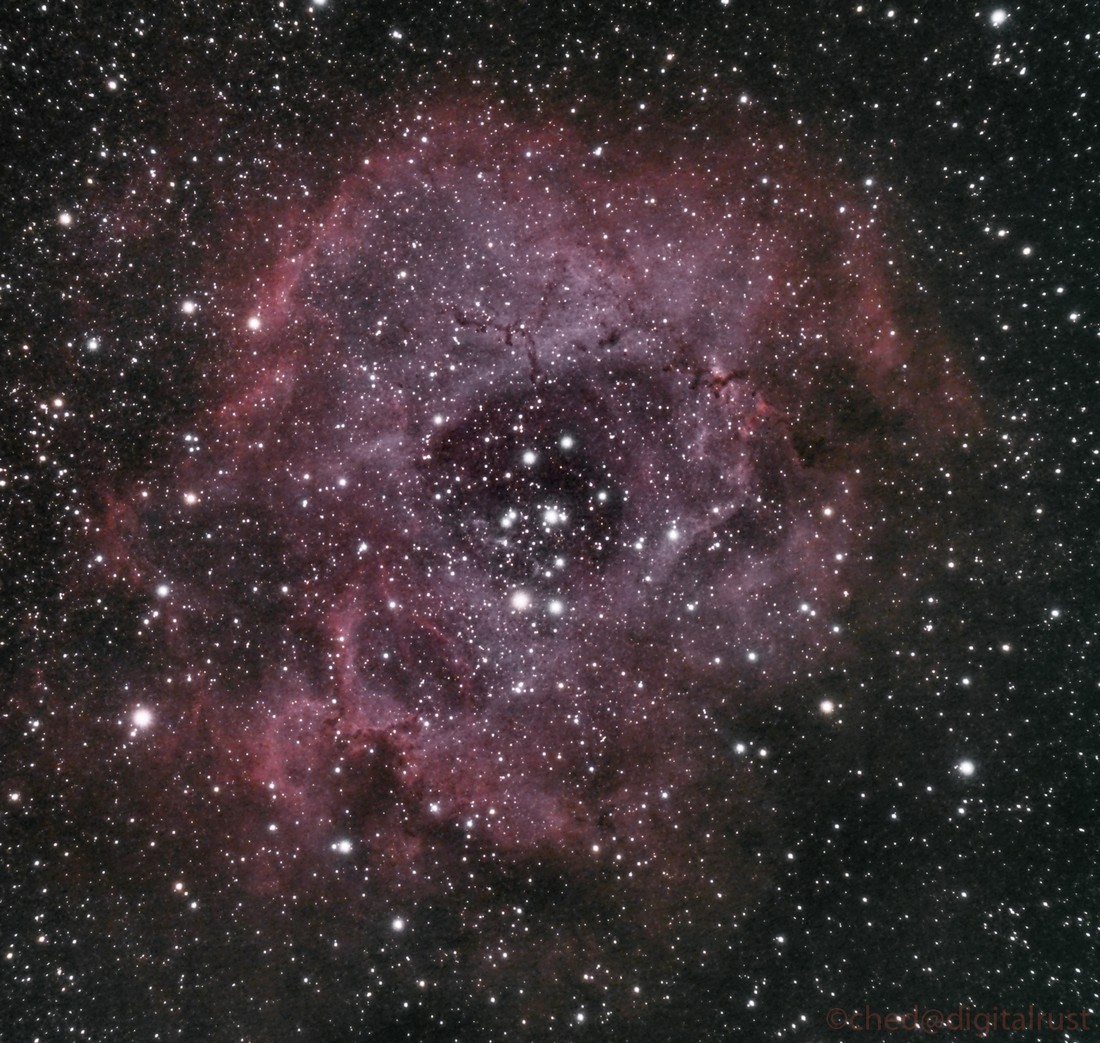
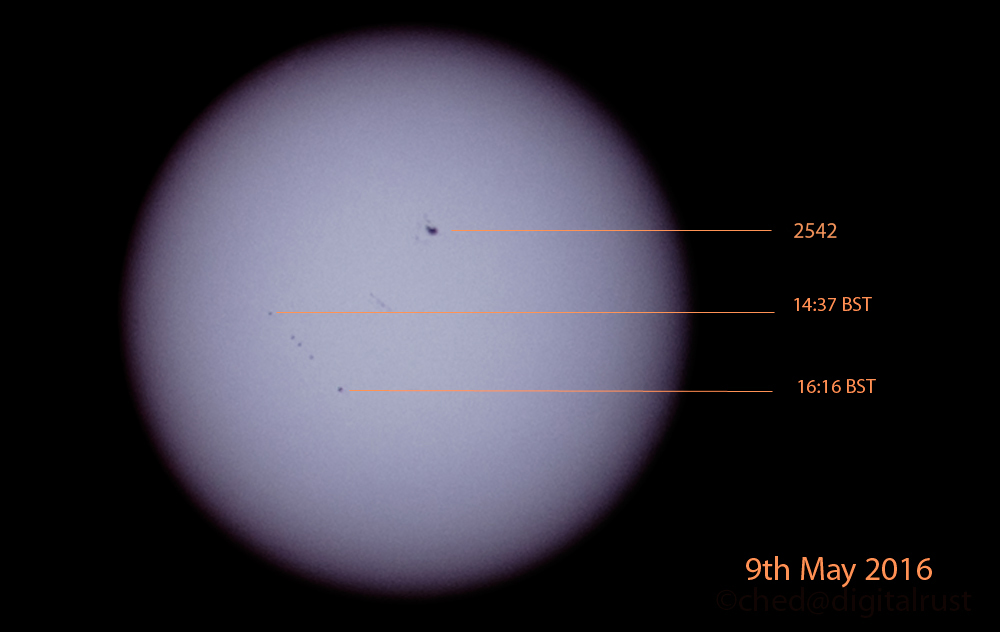
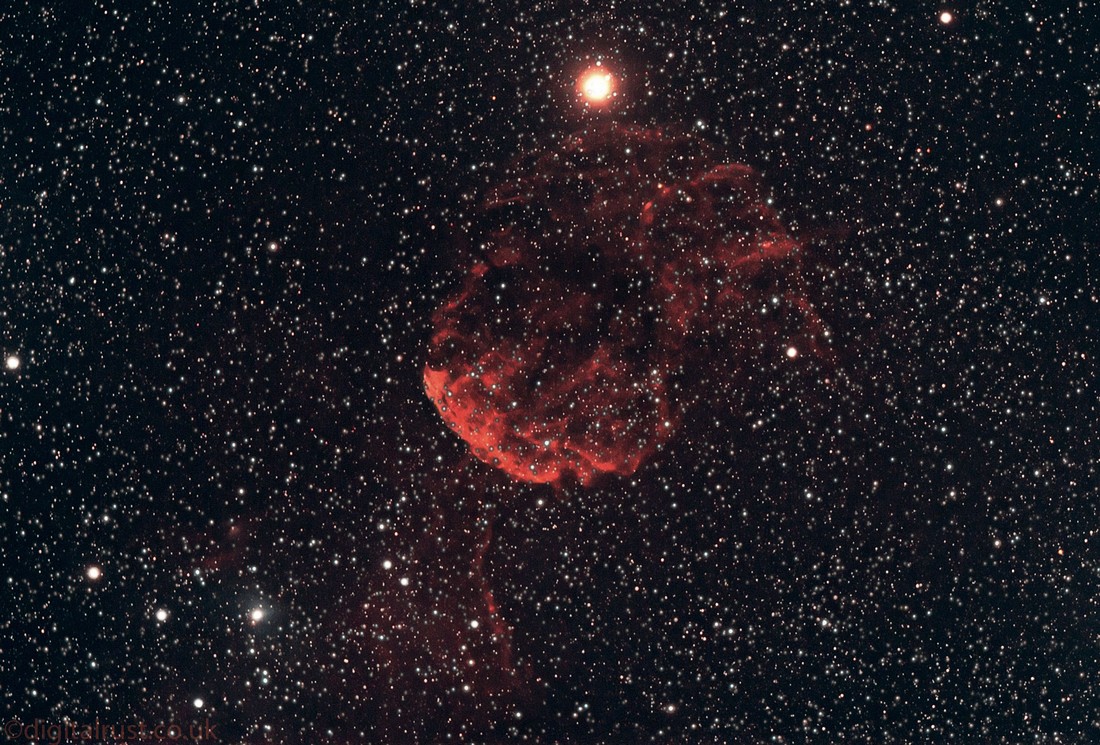
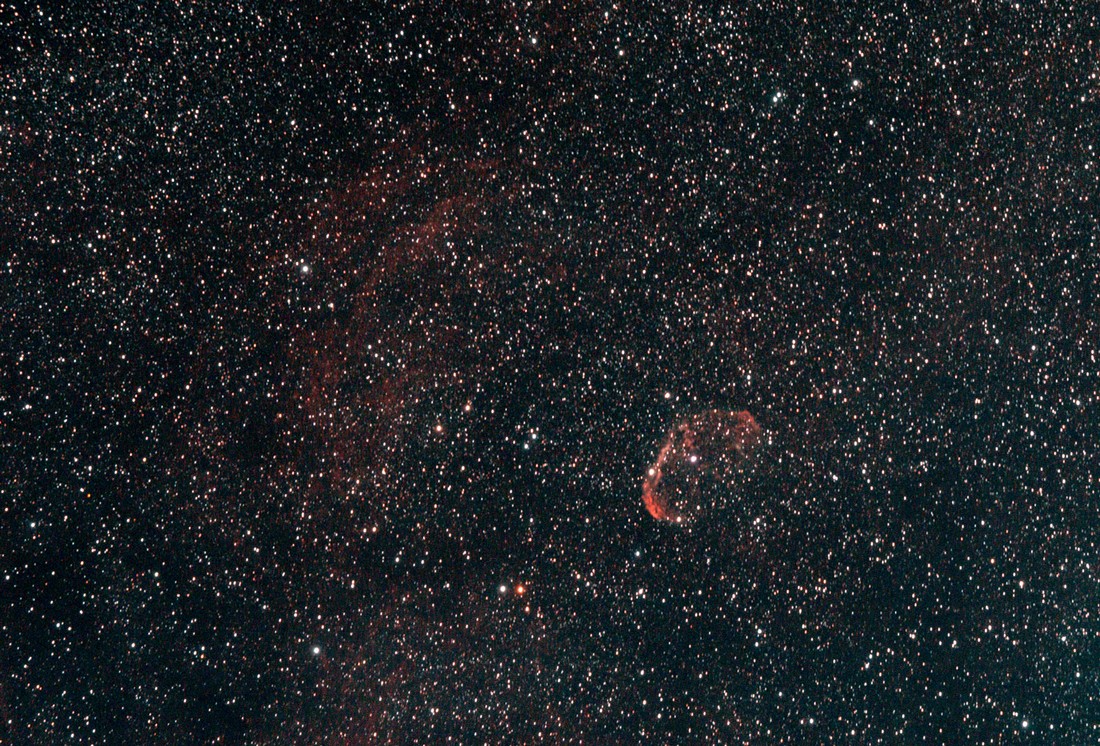
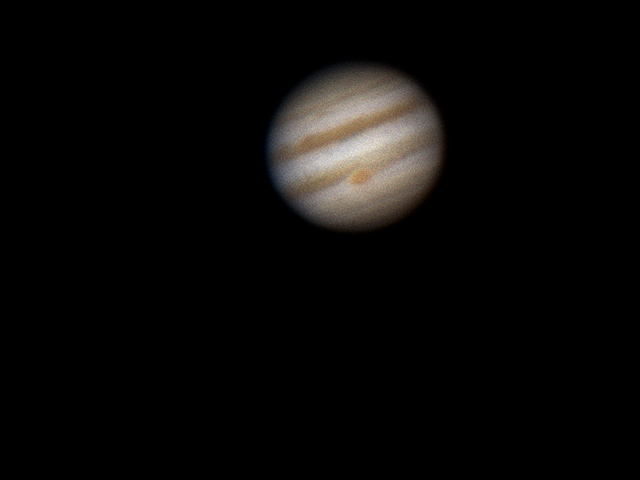
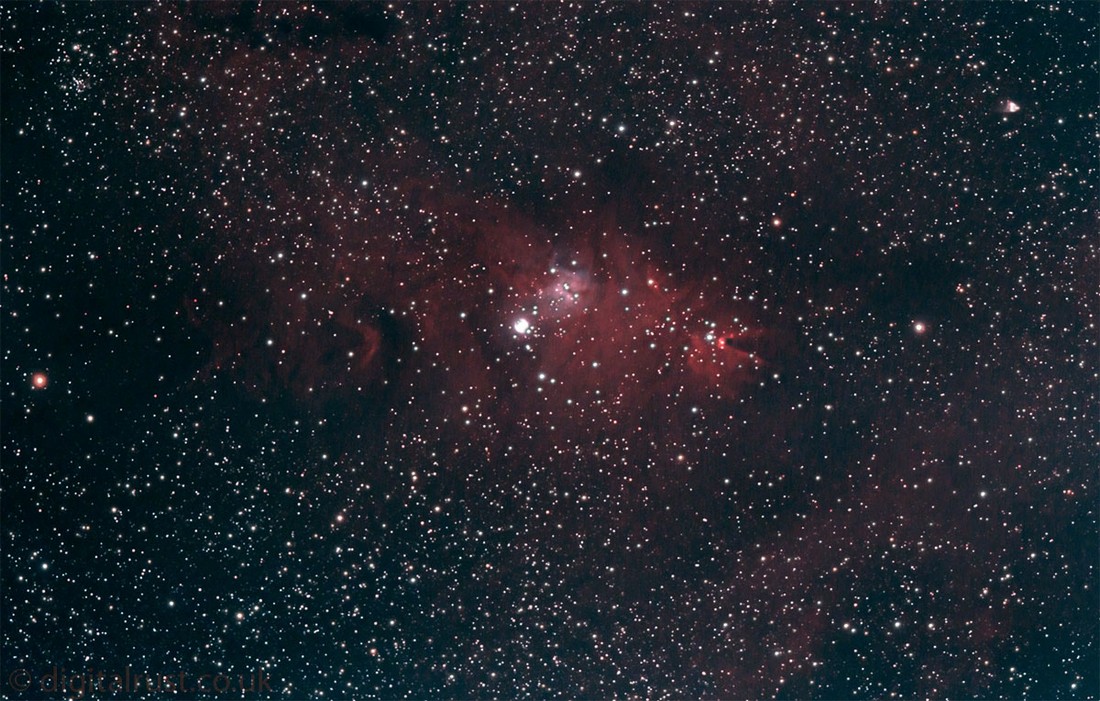
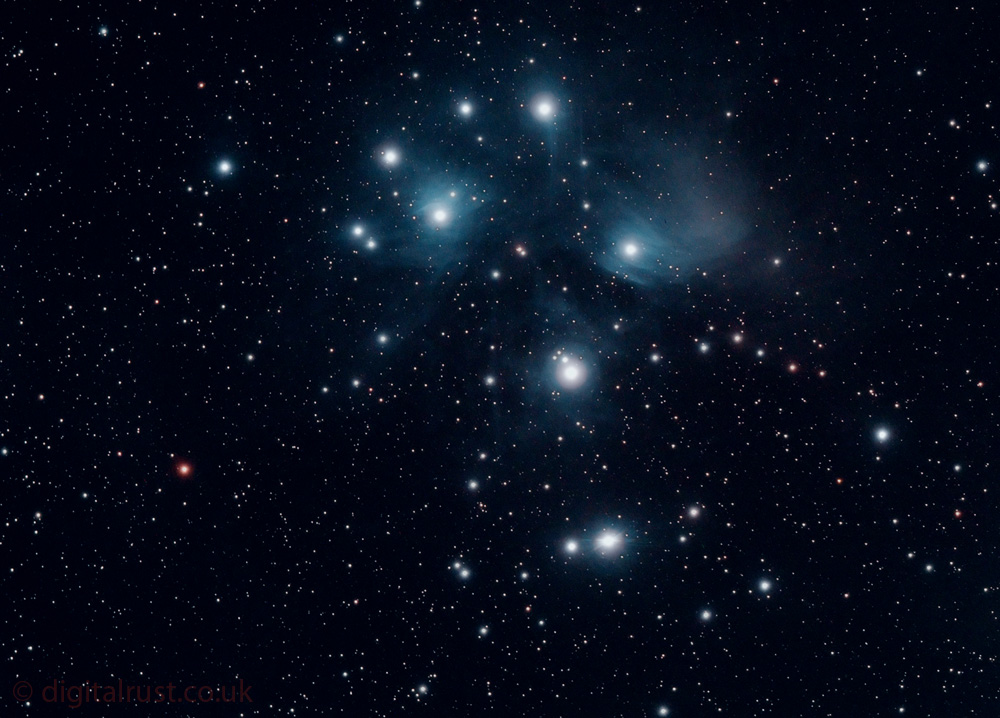
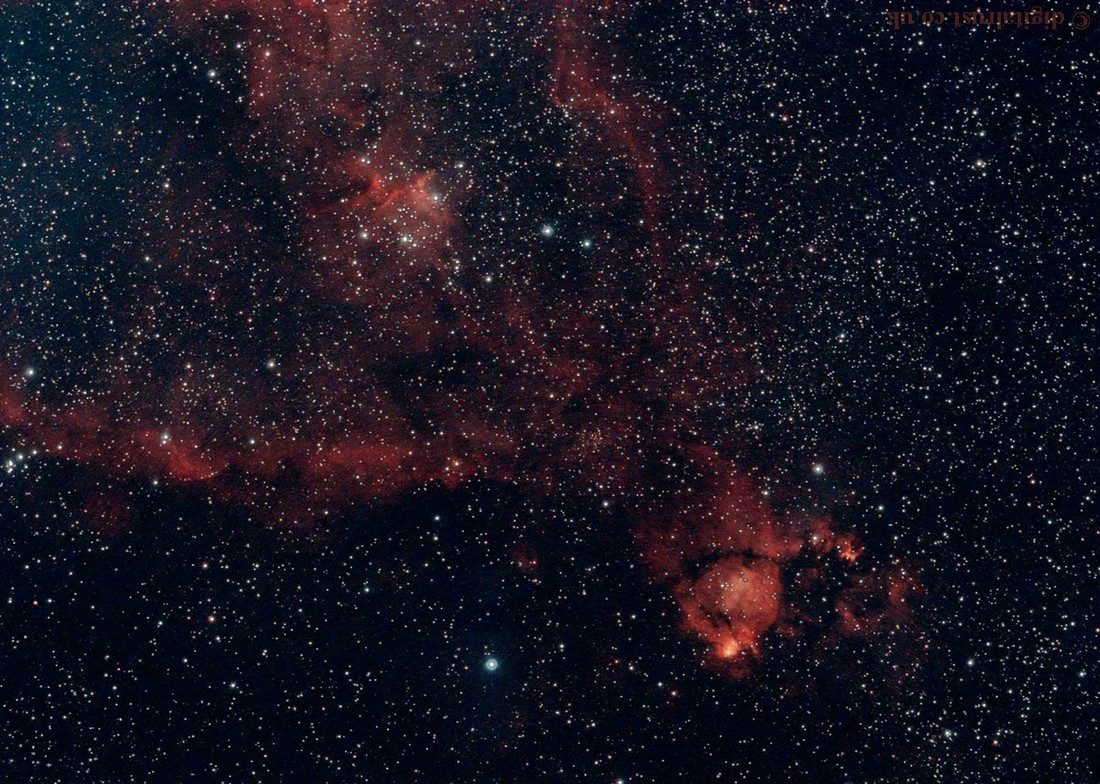
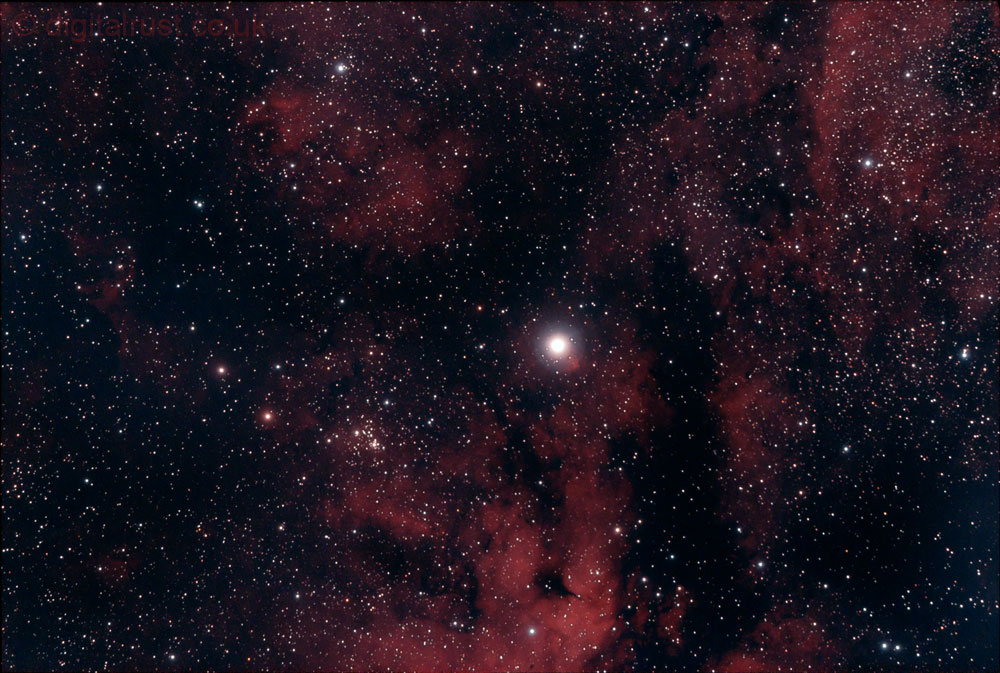
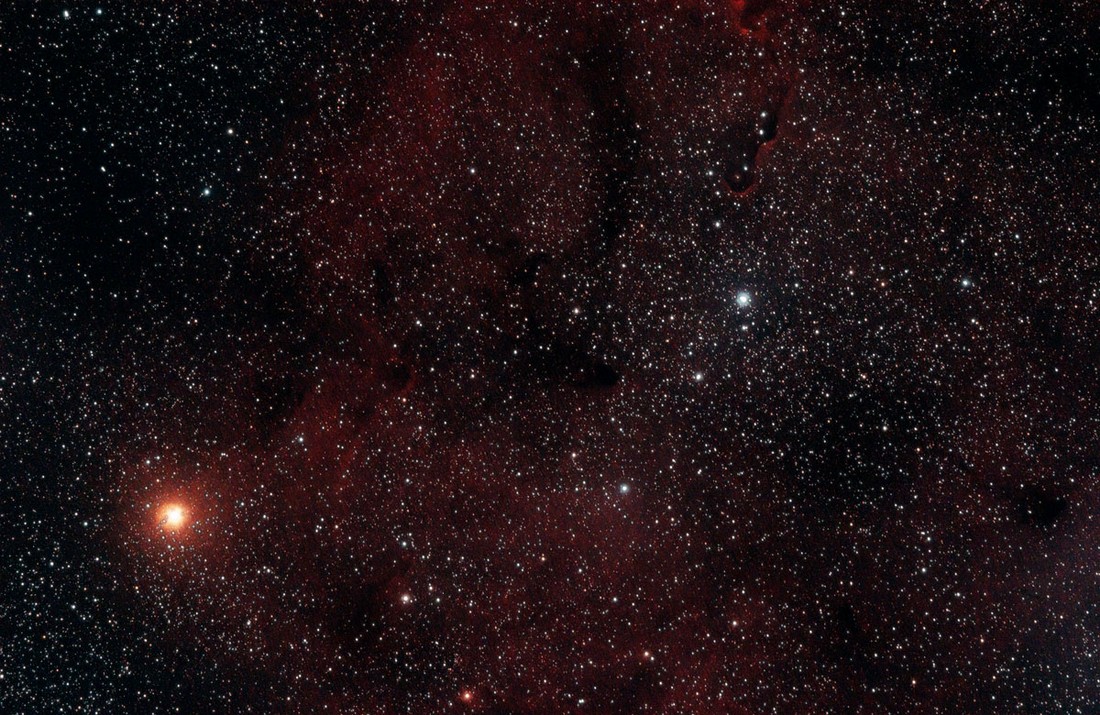
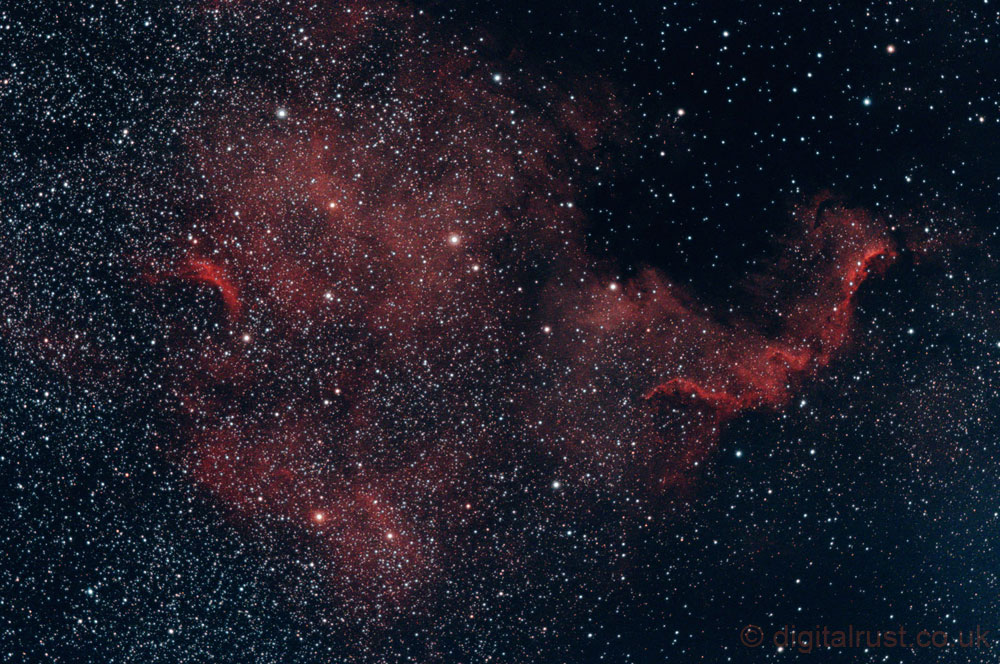
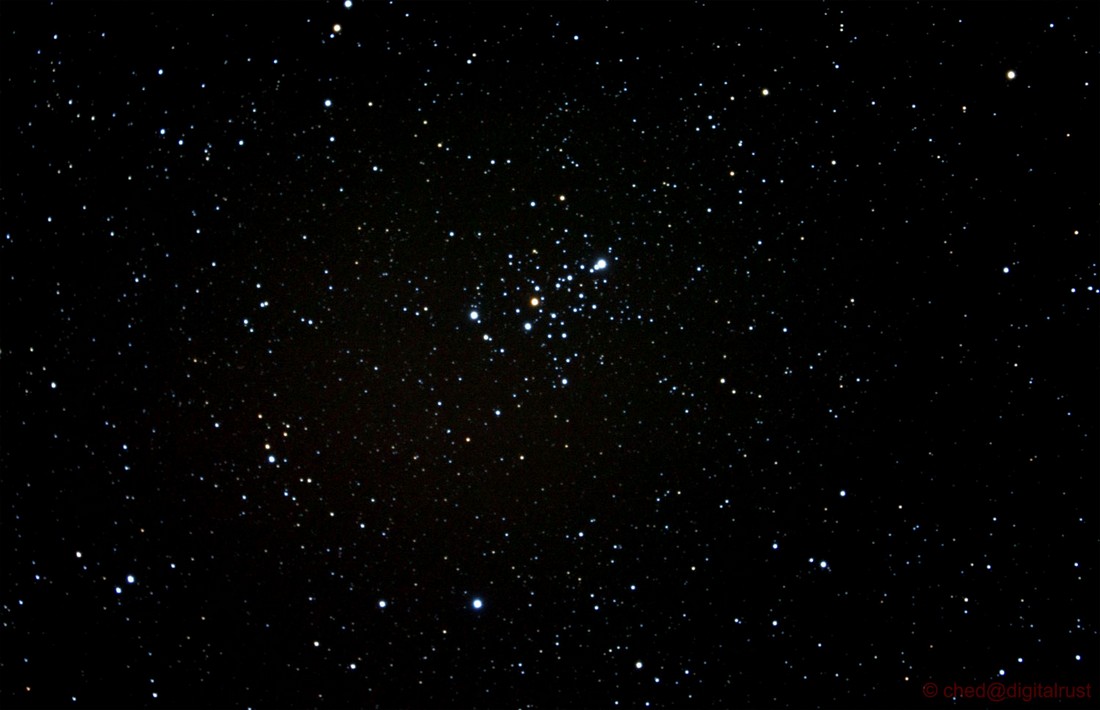
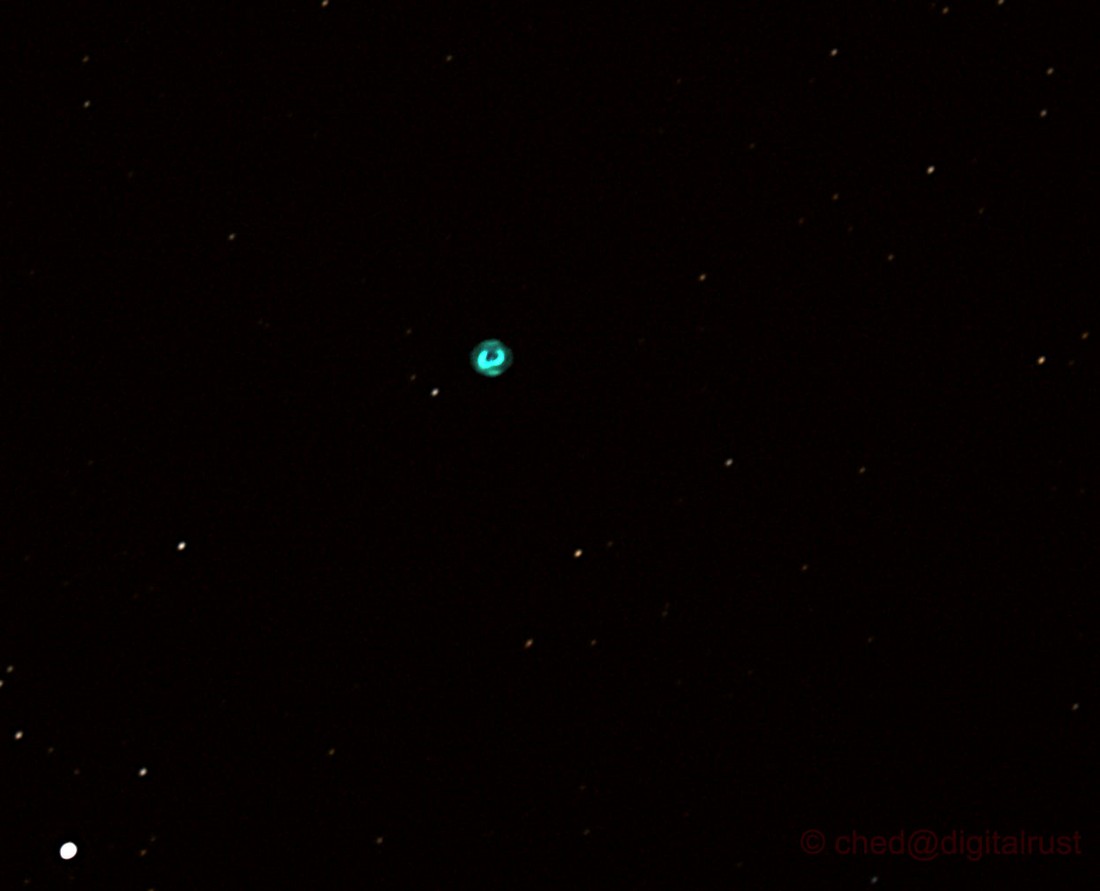
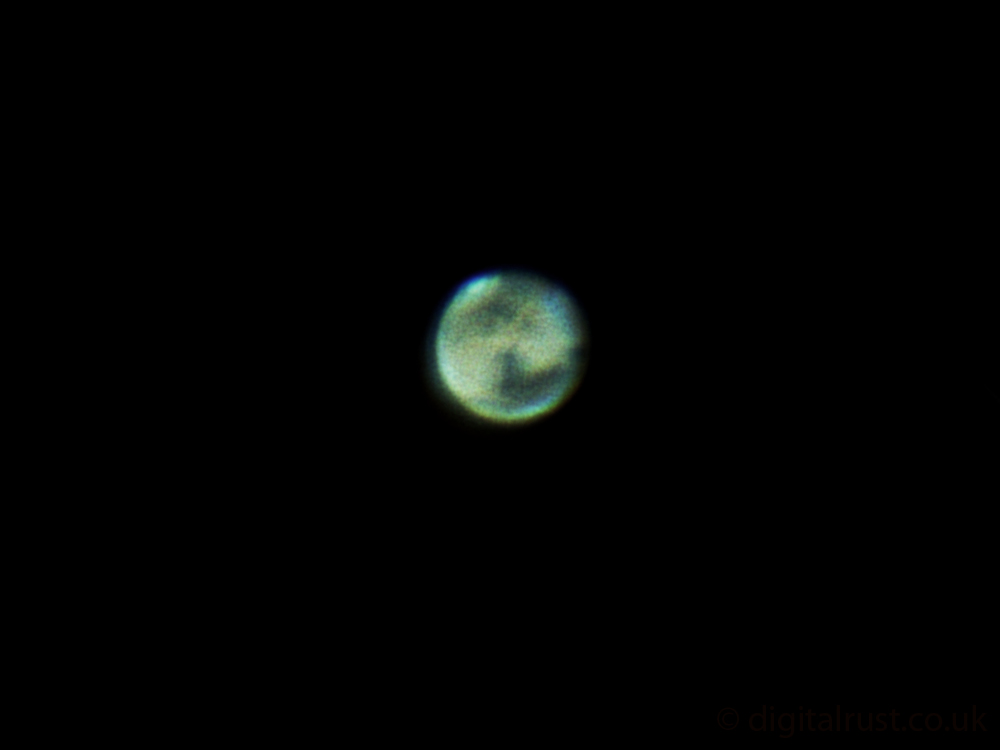
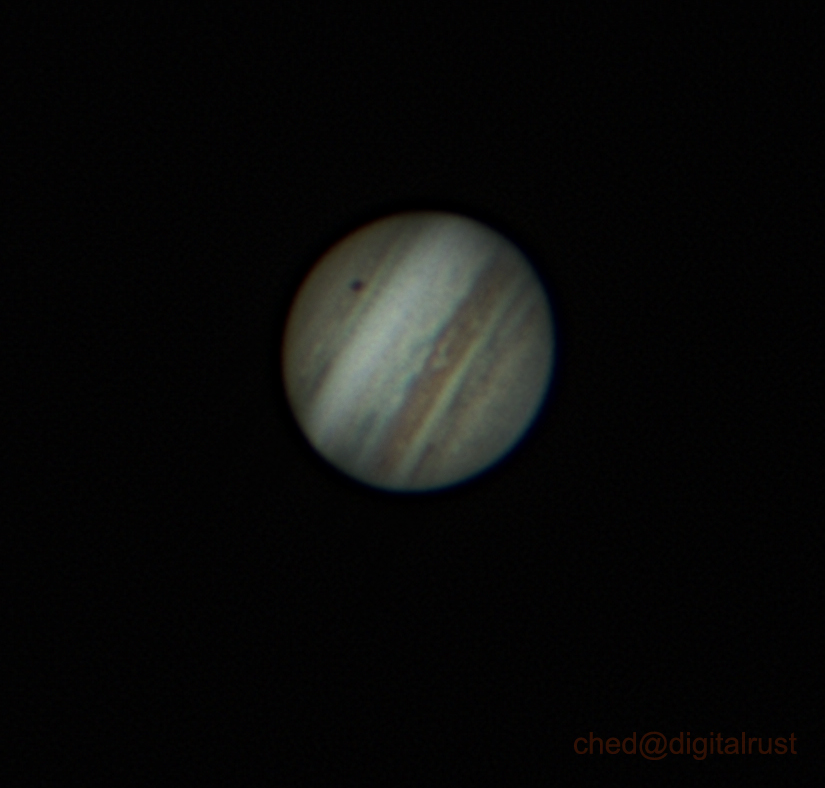
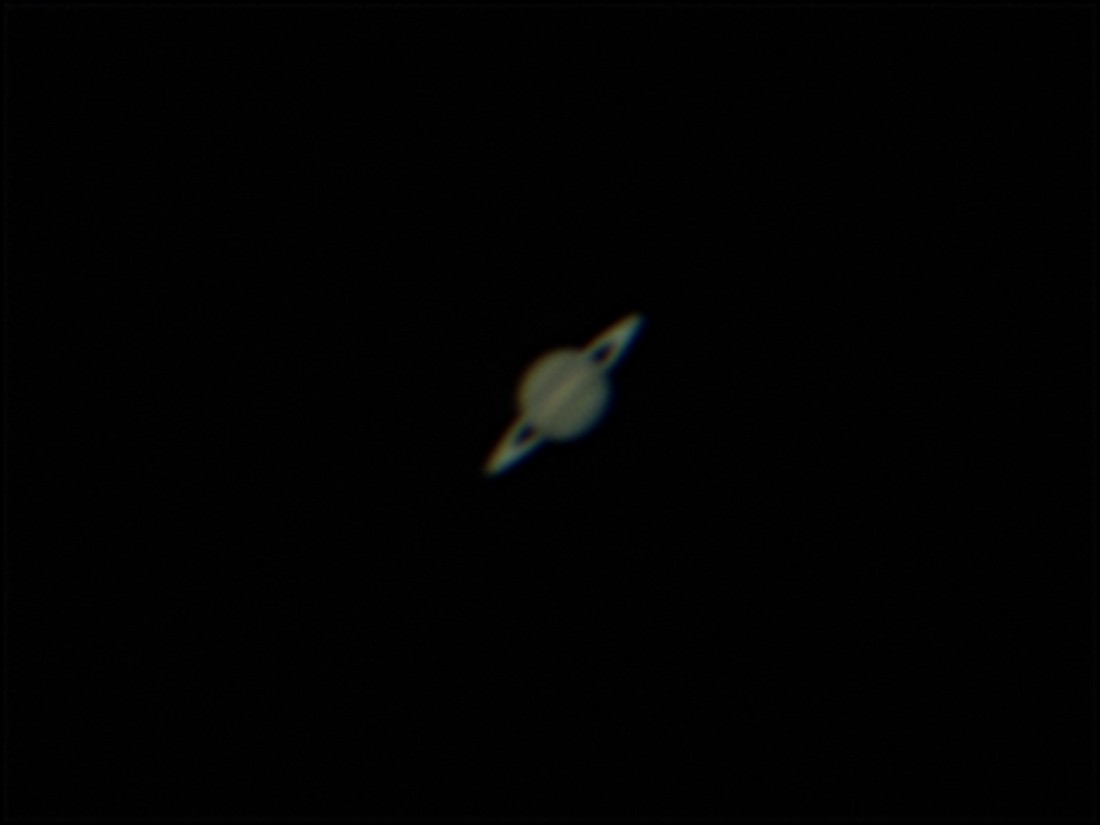
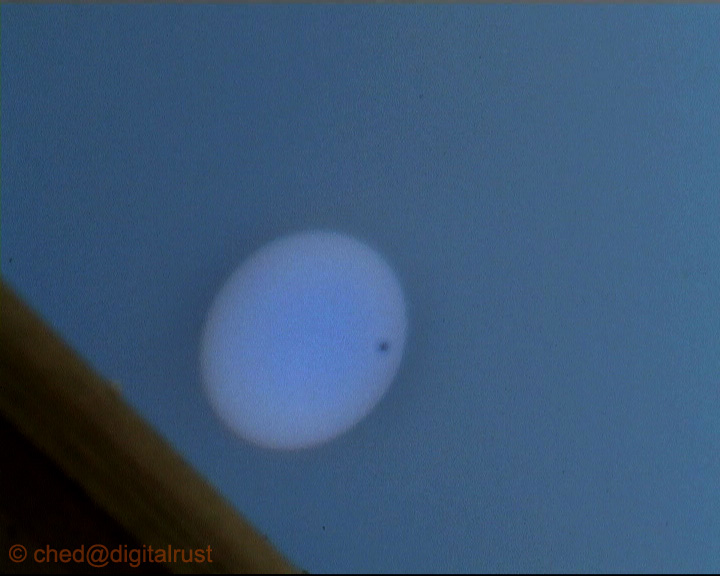
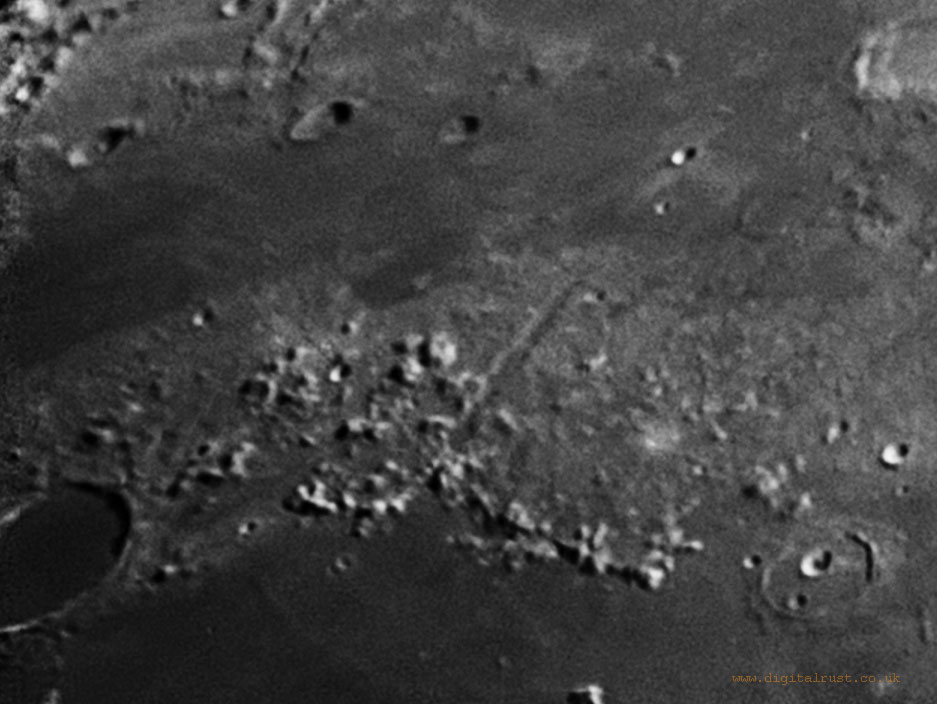
Below are some photos I have taken using the equipment I own and the software mentioned so far. There are a number of problems with these pictures as you can see;

1. The camera exposure limit of my unguided drive seems to be around 1 min. After this I start getting potato shaped stars

2. The amount of light pollution around here is awfull, every frame is awash with orange light from the nearby motorway/highway

3. I need to get a lightbox so I can take some "lightframes" and subtract these out of the images, this should help flatten out the pictures during processing.

4. I have a lot more to learn about image processing
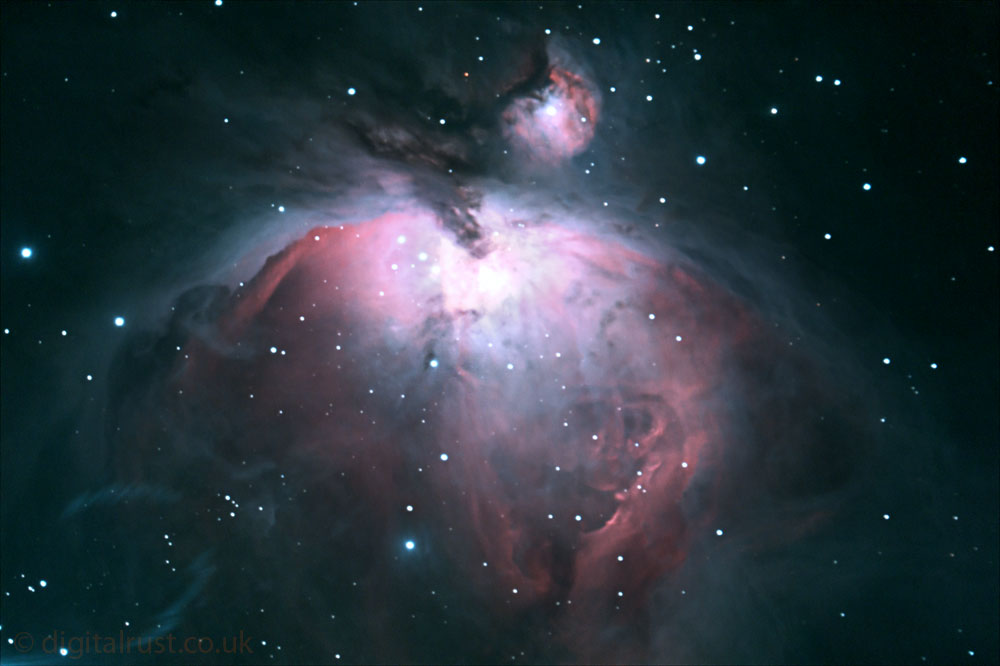
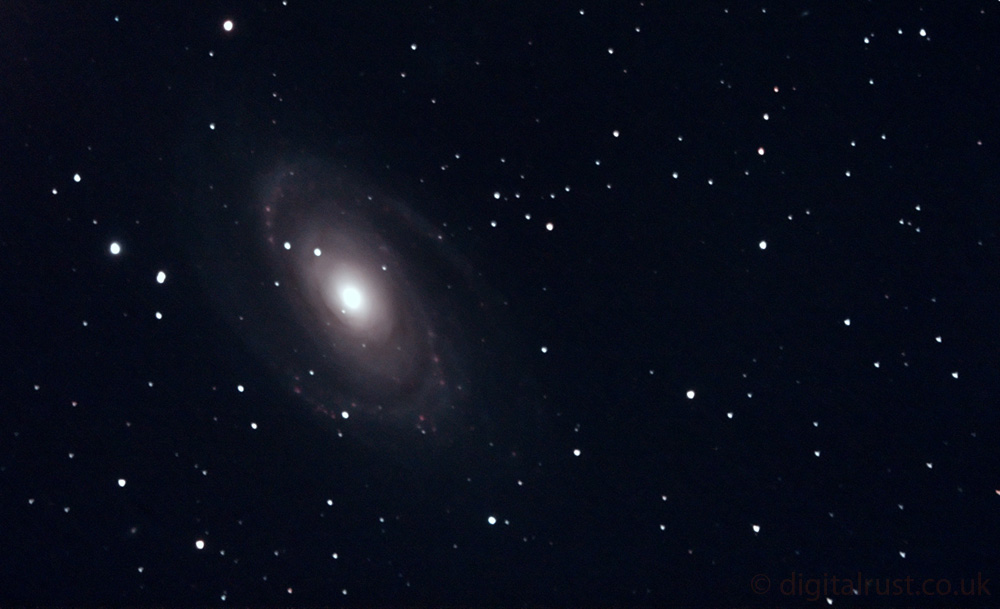
On the upside, I am at last able to record images of all these fantastic objects that I dreamt about as a kid.


FullscreenBackPlayNext

Sub-Menu:


Back to content | Back to main menu